
Panchkarma is the part of Ayurveda most people have heard of and fewest have had explained. The word means five actions, and it describes a structured cleansing in which the body is first prepared, then relieved of accumulated doshas and Ama, the residue of incomplete digestion, and finally rebuilt through a graded diet and rest. It is not a single treatment, and it is not a spa menu. It is a sequence, and the sequence is the point.
Preparation comes first, and it is gentler than people expect. For several days you receive warm oil therapies such as Abhyanga and Pizhichil, and sudation with steam or herbal boluses like Podikizhi. Internally, small measured doses of medicated ghee may be given. The purpose of all of this is to loosen what has settled in the tissues and move it toward the digestive tract, where it can be eliminated. Most guests describe this phase as deeply restful.
The main procedures follow, and here is where consultation matters most. Of the five classical actions, Vamana (therapeutic emesis), Virechana (purgation), Basti (medicated enema), Nasya (nasal administration) and Raktamokshana (blood-letting), very few people need all five. The practitioner chooses one or two that suit your constitution and your concern, and only if you are strong enough for them. A guest with chronic sinus trouble may receive Nasyam and little else; a guest with Kapha-type heaviness may be prepared for Vamana over a week.
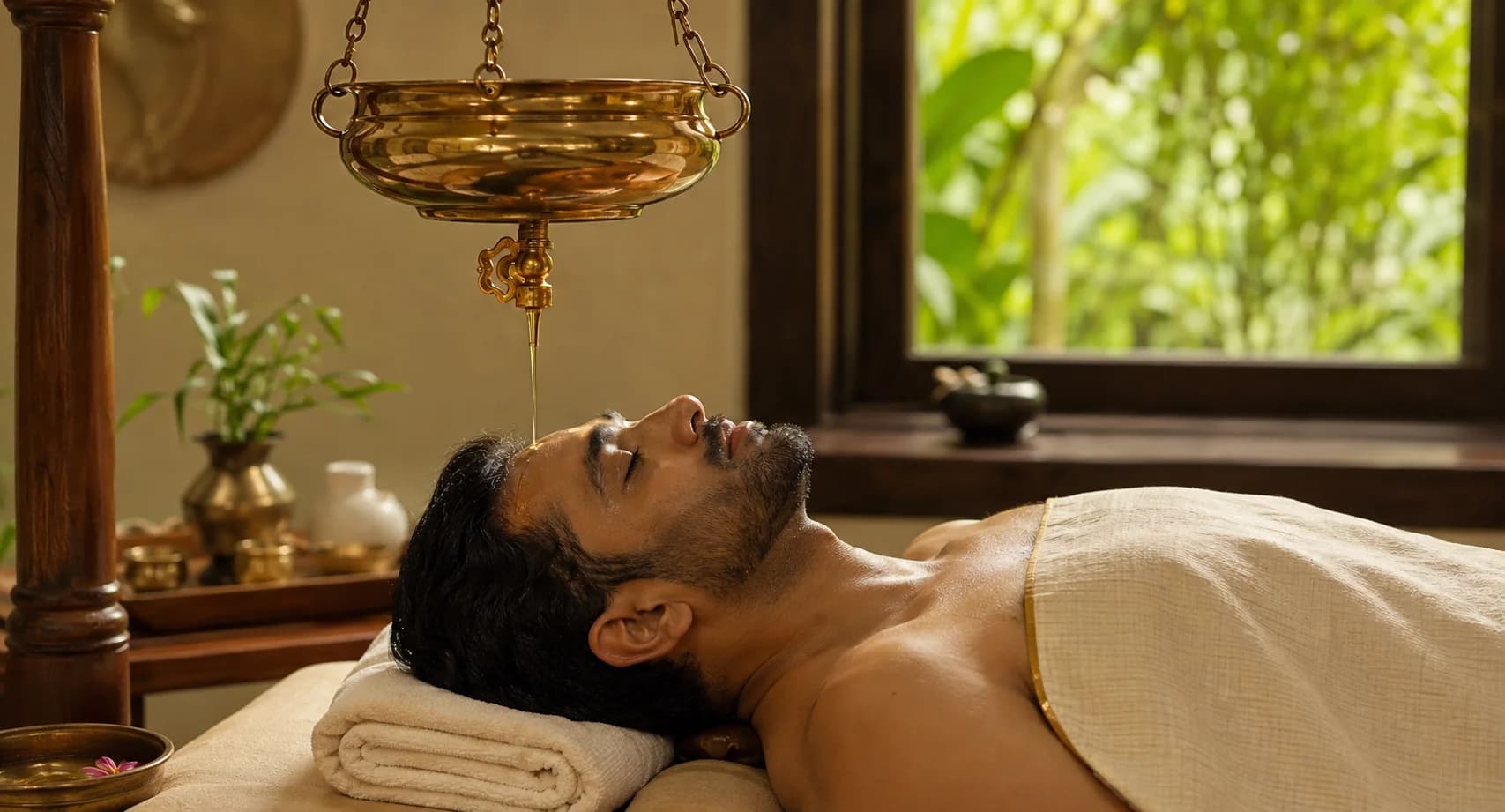
The rebuilding phase is easy to underestimate and impossible to skip. After cleansing, the digestive fire is delicate, so food returns in steps: thin gruel, then thicker gruel, then a light khichdi, then normal meals over several days. Rest is prescribed rather than merely allowed. Supportive therapies such as Shirodhara or localised Basti for the back or knees are often placed here, when the body is most receptive to them.
How long does it take? A meaningful residential Panchkarma at Arogya Retreatt usually runs seven to fourteen days, sometimes twenty-one for long-standing concerns. Day-care Panchkarma courses of five to seven days cover the preparatory therapies and lighter procedures for guests from Delhi, Gurugram and nearby who prefer to return home each evening. Both begin with the same consultation, in person at the centre in Bahadurgarh or by phone before you travel.
Who is it for? Panchkarma is traditionally sought for chronic joint and back pain, digestive complaints, recurrent respiratory tendencies, skin conditions, weight and metabolic concerns, and simply for a periodic reset after years of irregular living. It is not given during pregnancy, to the very frail, or during acute illness, and the main procedures are adjusted or omitted for guests with heart, bleeding or other significant conditions. Prescribed medicines continue unless your own doctor changes them.
If you are considering it, the most useful first step is a conversation rather than a booking. Bring your reports, describe how you sleep, digest and feel through a normal week, and let the practitioner explain what a plan for you would actually contain. That conversation is where Panchkarma really begins.